PSHE
INTENT
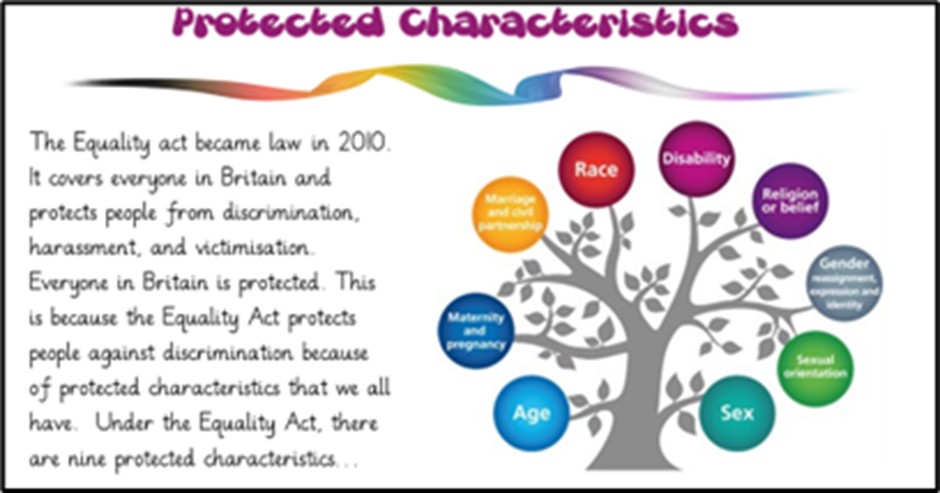
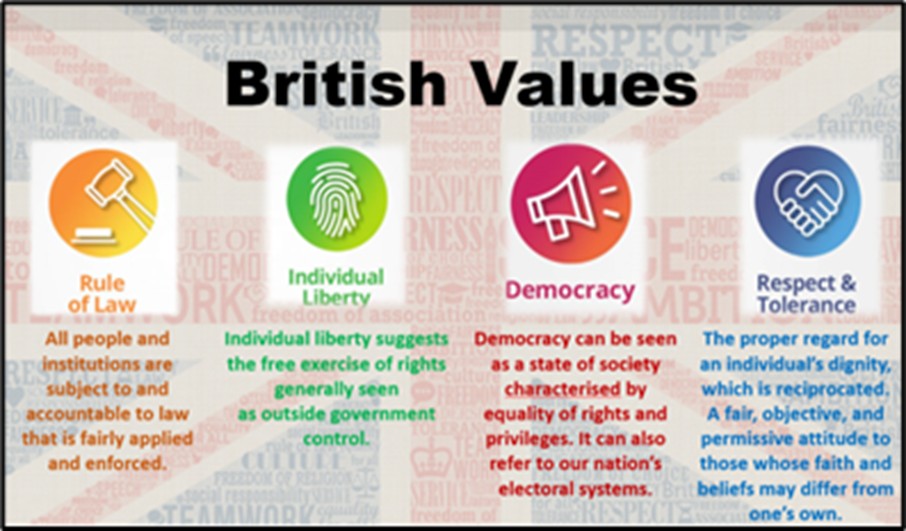
- Children and young people need knowledge and skills that will enable them to make informed and ethical decisions about their wellbeing, health and relationships. Effective teaching will support young people to cultivate positive characteristics including resilience, self-worth, self-respect, honesty, integrity, courage, kindness, and trustworthiness. It will support prevention of harms by helping young people understand and identify when things are not right. Through the promotion of oracy and early language development, awareness of locality, the inclusion of protected characteristics and the positive British values it instils, Talking Points and its teachings helps pupils develop a sense of aspirations and ambitions for their future world.
IMPLEMENTATION
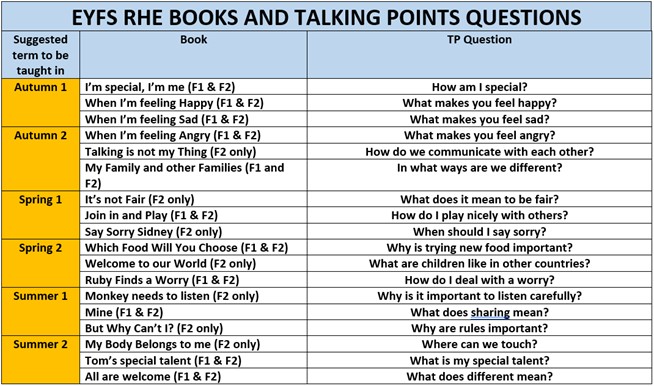
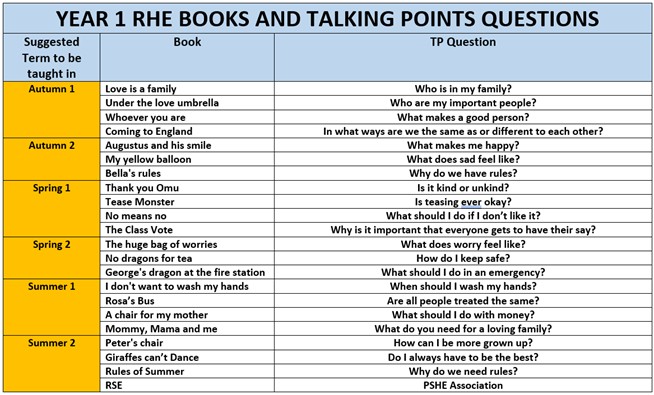
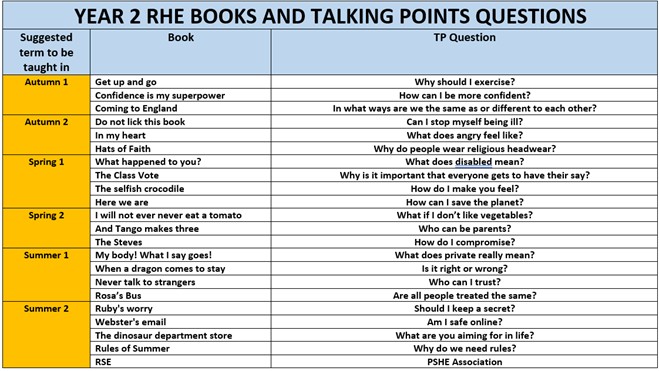
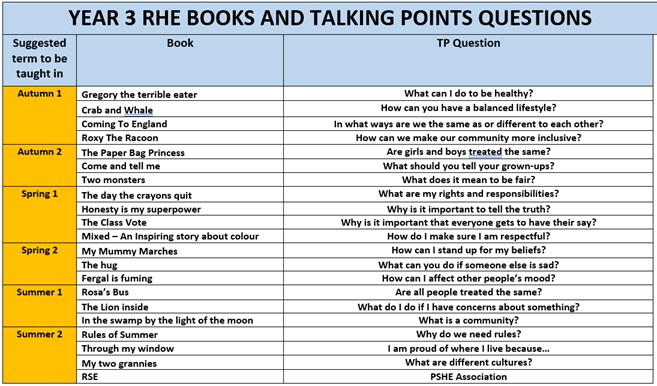
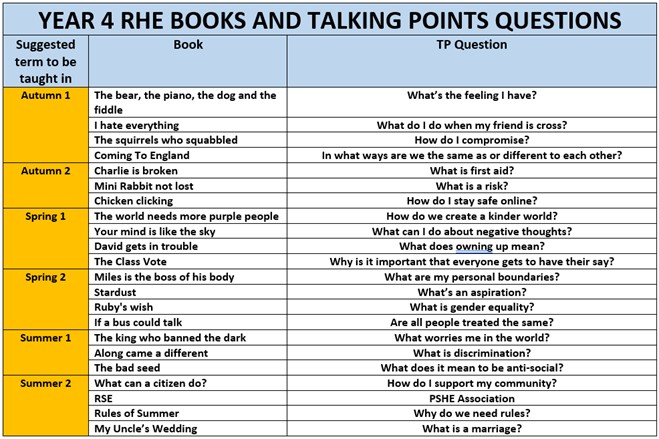
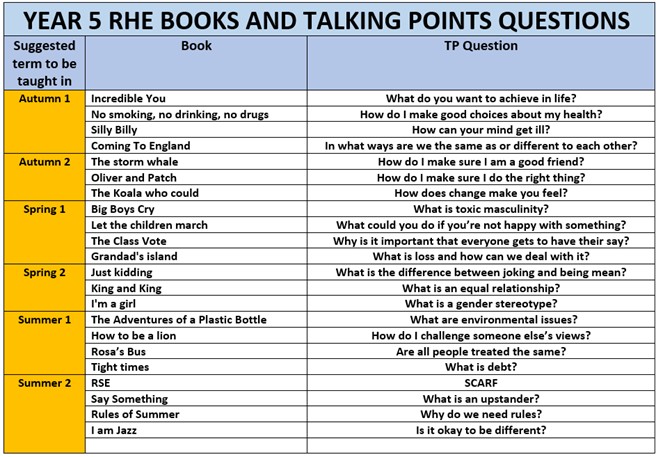
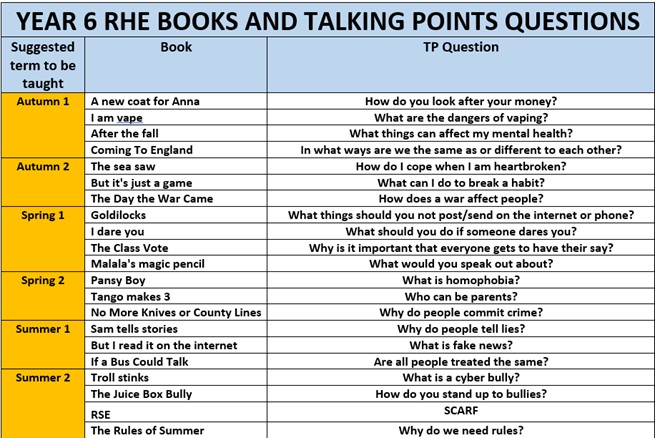
- The Talking Points scheme of work uses picture books as a starting point to get all pupils talking about their own and other’s health, wellbeing, emotions, relationships, current local and global issues and protected characteristics.
- The scheme is aimed at being flexible and can constantly be updated with new books and schemes to reflect the changing emphasis in education e.g. the importance of online safety and online wellbeing.
- Staff promote a safe environment in which pupils feel comfortable to discuss trickier topics through the use of storytelling.
Due to the repetitive, visual nature of the scheme, its Talking Points and strands, pupils have the opportunity to revisit key learning points both within and across year groups and key stages from EYFS through to Yr6 ensuring key knowledge is embedded, remembered and applied. - All year groups have: a set of books, online links, PPT slides for each session, annual overview, breakdown of teacher notes and a class floor book. Each year group will also present an assembly to parents on an element of Talking Points they have been learning about.
- The use of differentiated activities and accessible books ensures each session offers an activity for all learners including those with SEND.
- By the end of their primary education, pupils will have learnt about: Families and people who care for me, Caring friendships, Respectful kind relationships, Online safety and awareness, Being safe, General wellbeing, Wellbeing online, Physical health and fitness, Healthy eating, Drugs, alcohol tobacco and vaping, Health protection and prevention, Personal safety, Basic first aid, Developing bodies, Talking points covers these areas each year increasing in complexity and reinforcing previous learning.
IMPACT
Children talk with confidence about the key areas of PSHE.
They are able to form strong and positive relationships and realise this may take resilience and perseverance.
Children understand the importance of self-respect and self-worth and can demonstrate key personal attributes such as honesty, integrity, courage, humility, kindness, generosity, trustworthiness and a sense of justice.
Children understand how to be positive citizens in their locality.
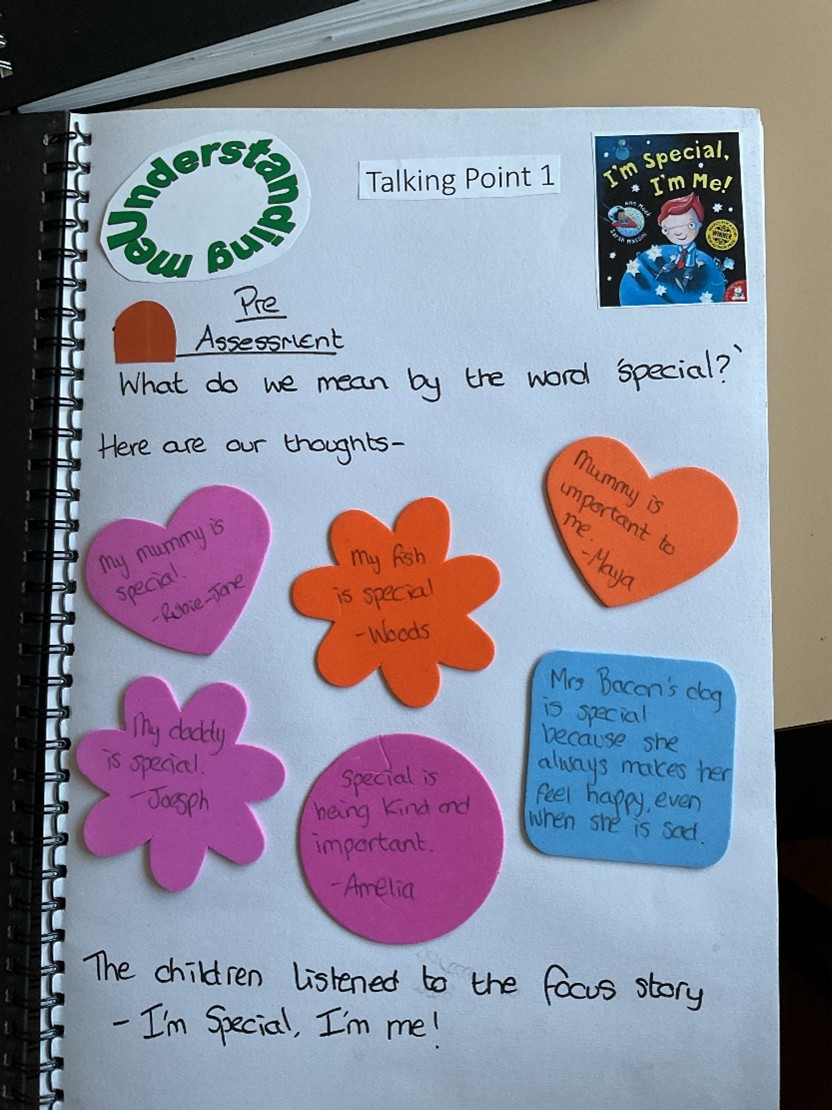
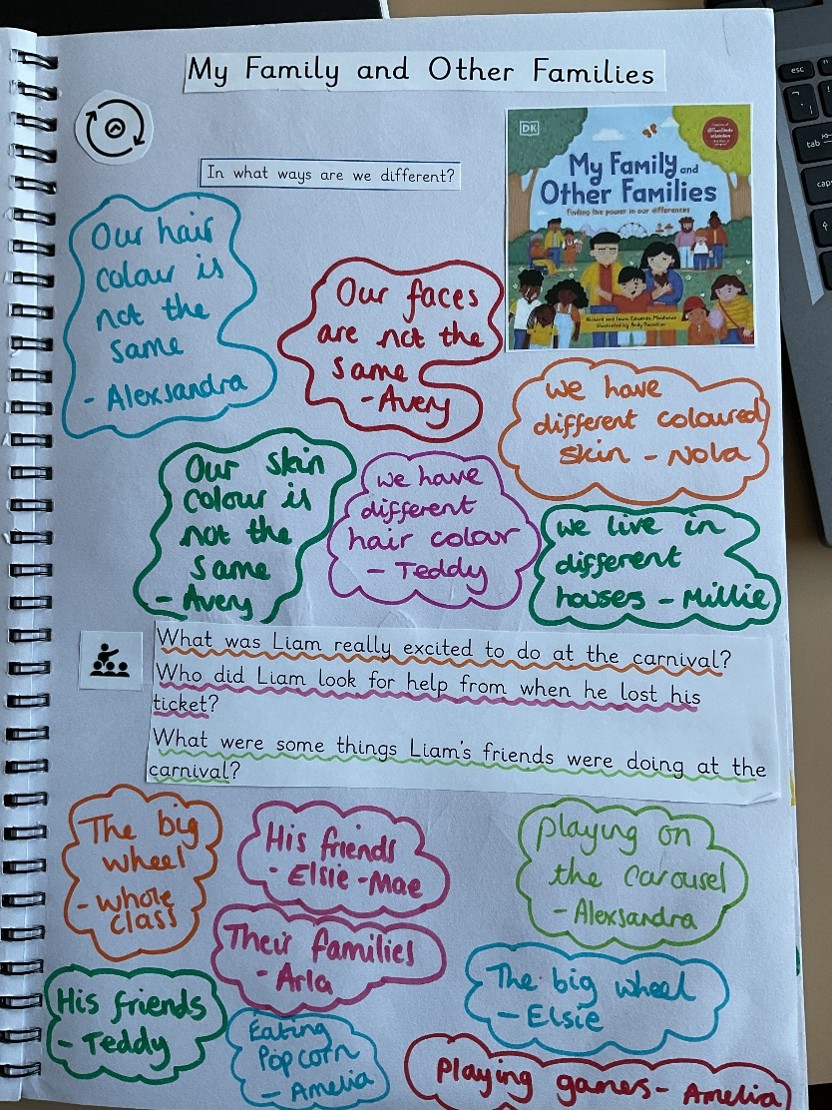
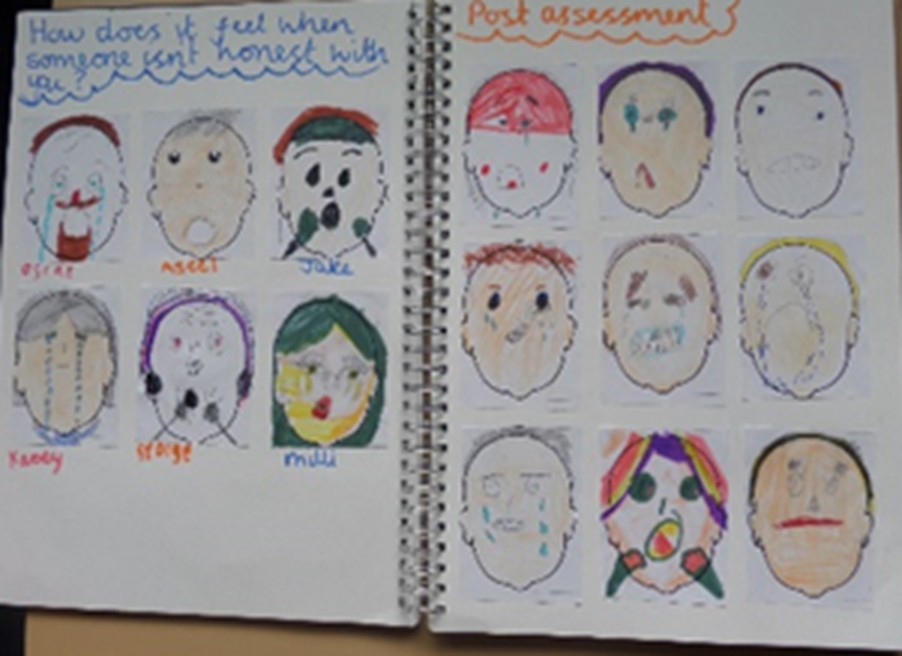
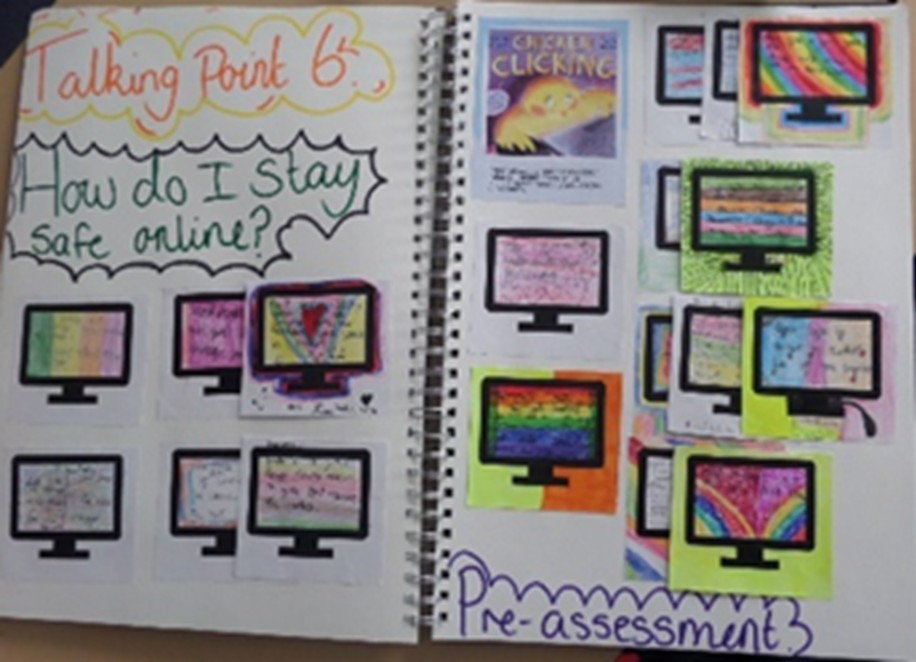
Assessment is done through pre and post-teaching assesments, questions about the text, differentiated activities and a challenge statement.
Feedback is given through monitoring reviews, verbal feedback.
Children and teachers have the freedom to change and adapt the challenge by choice activities
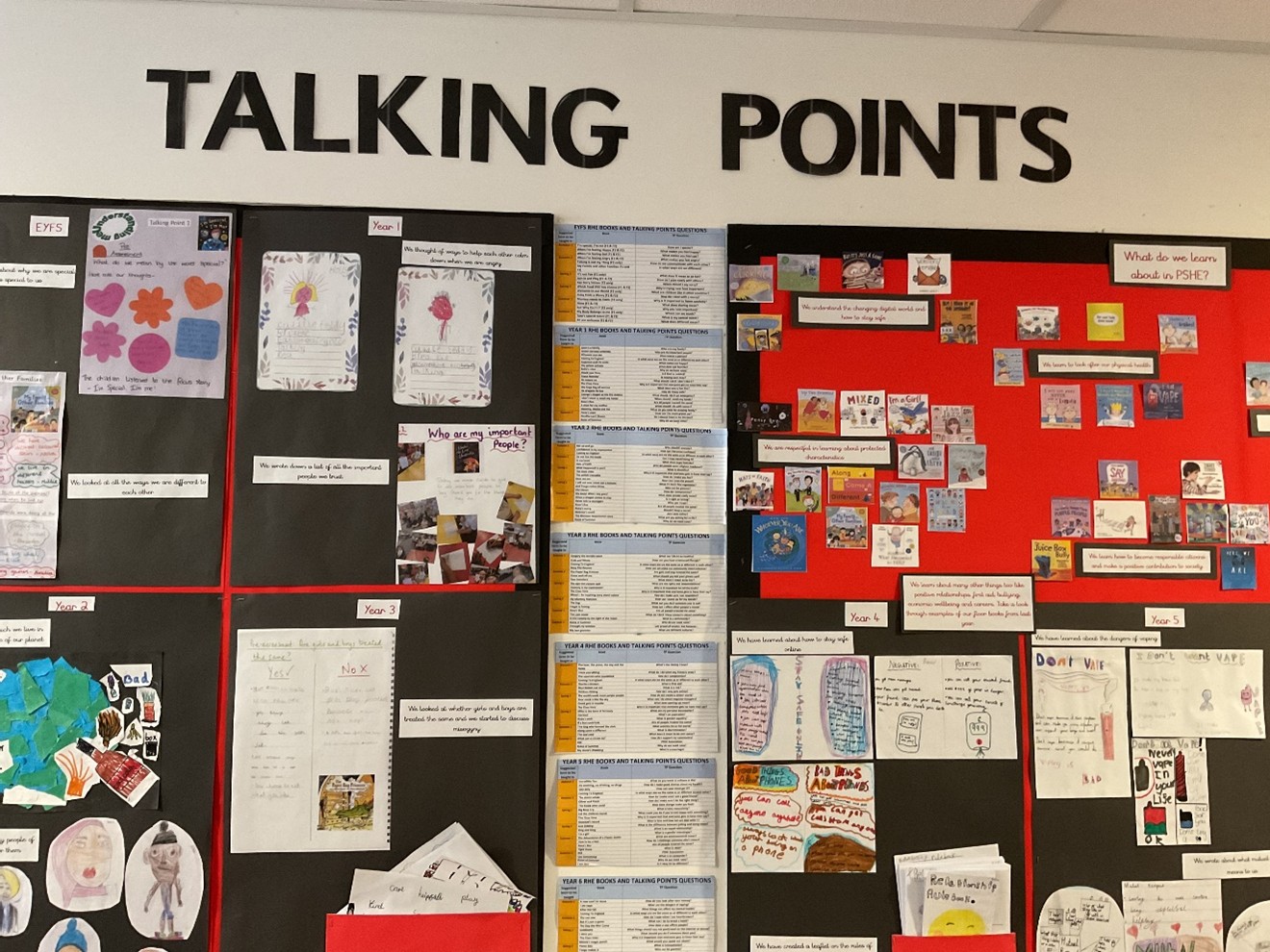
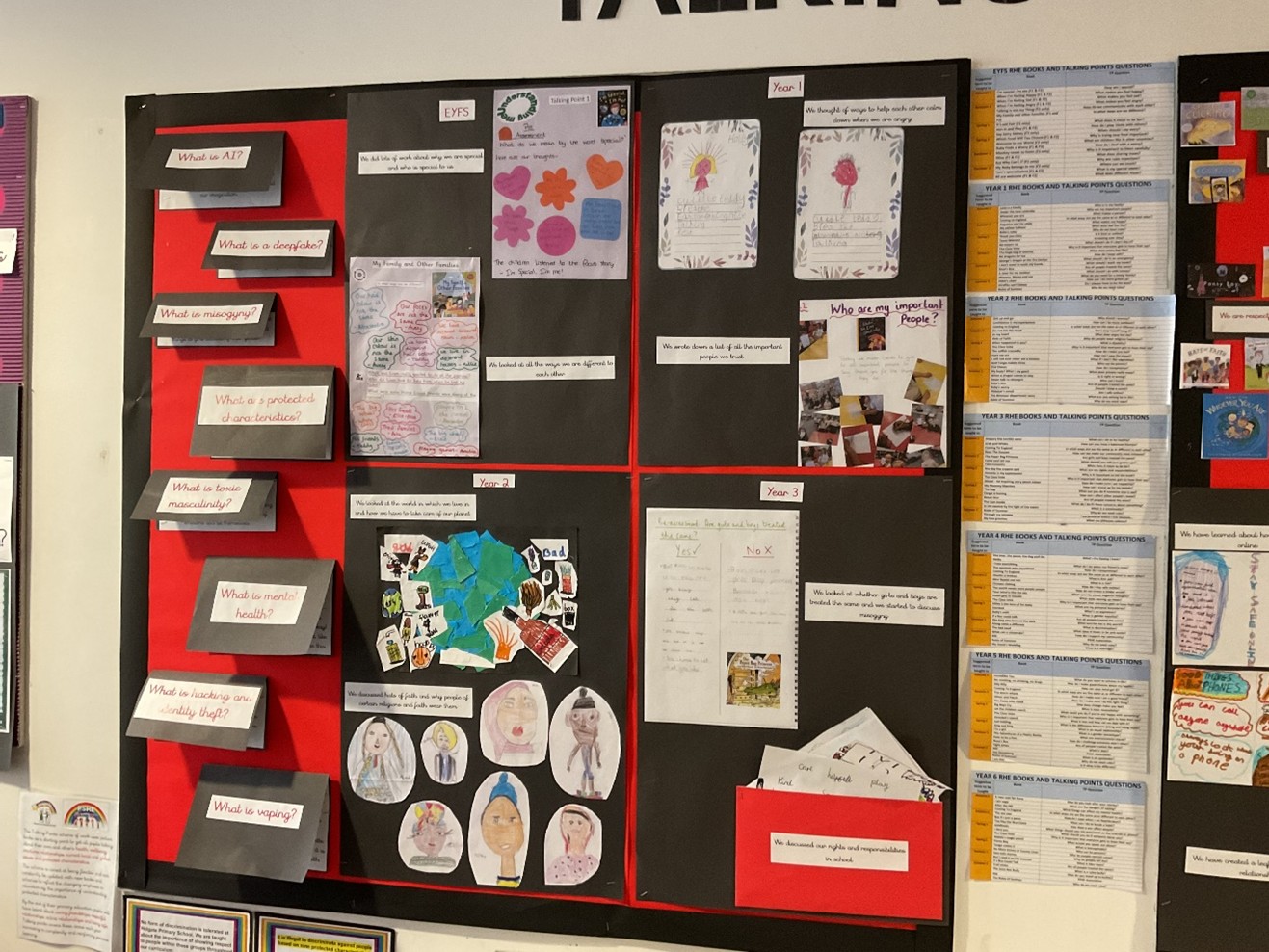
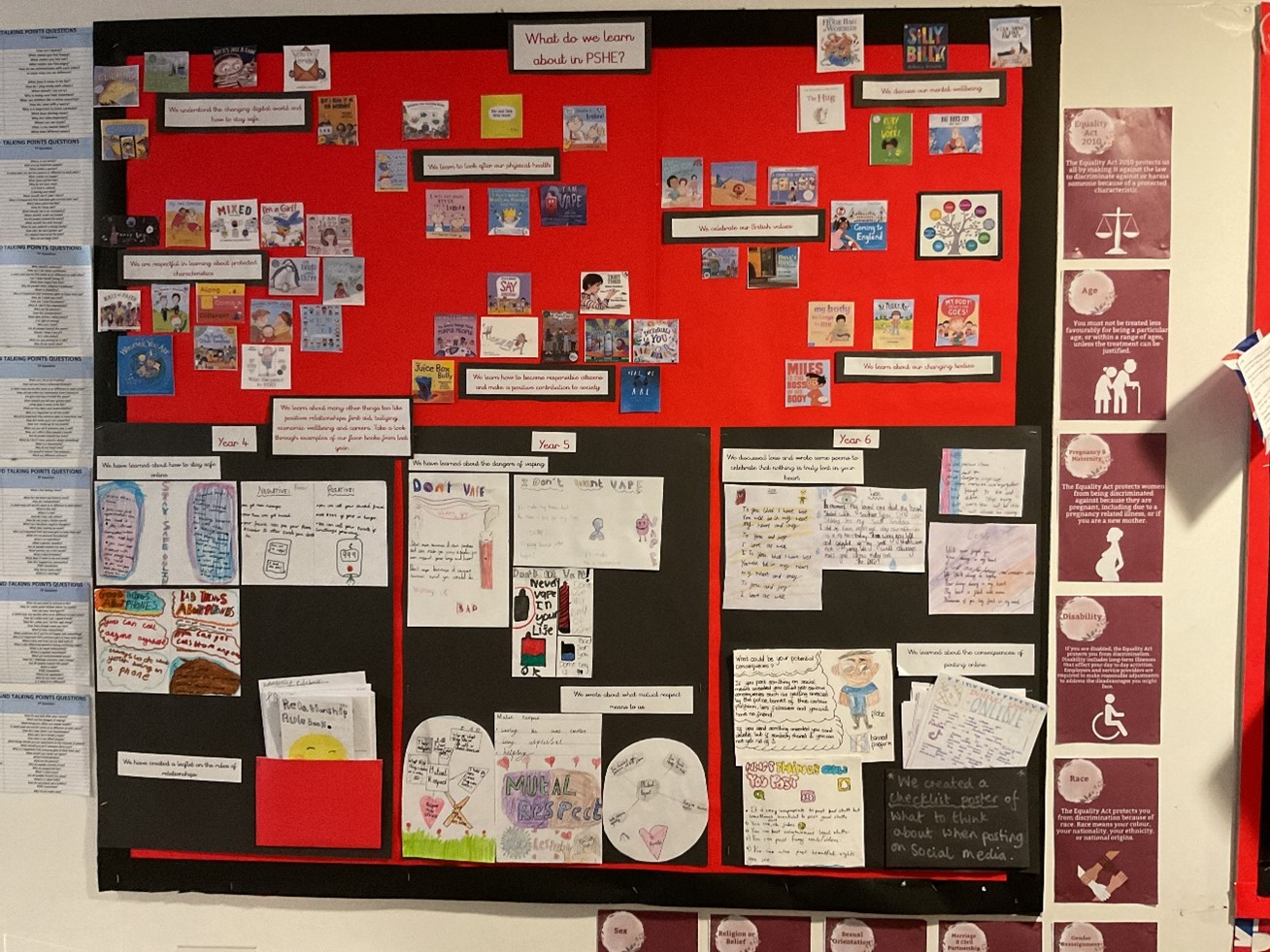
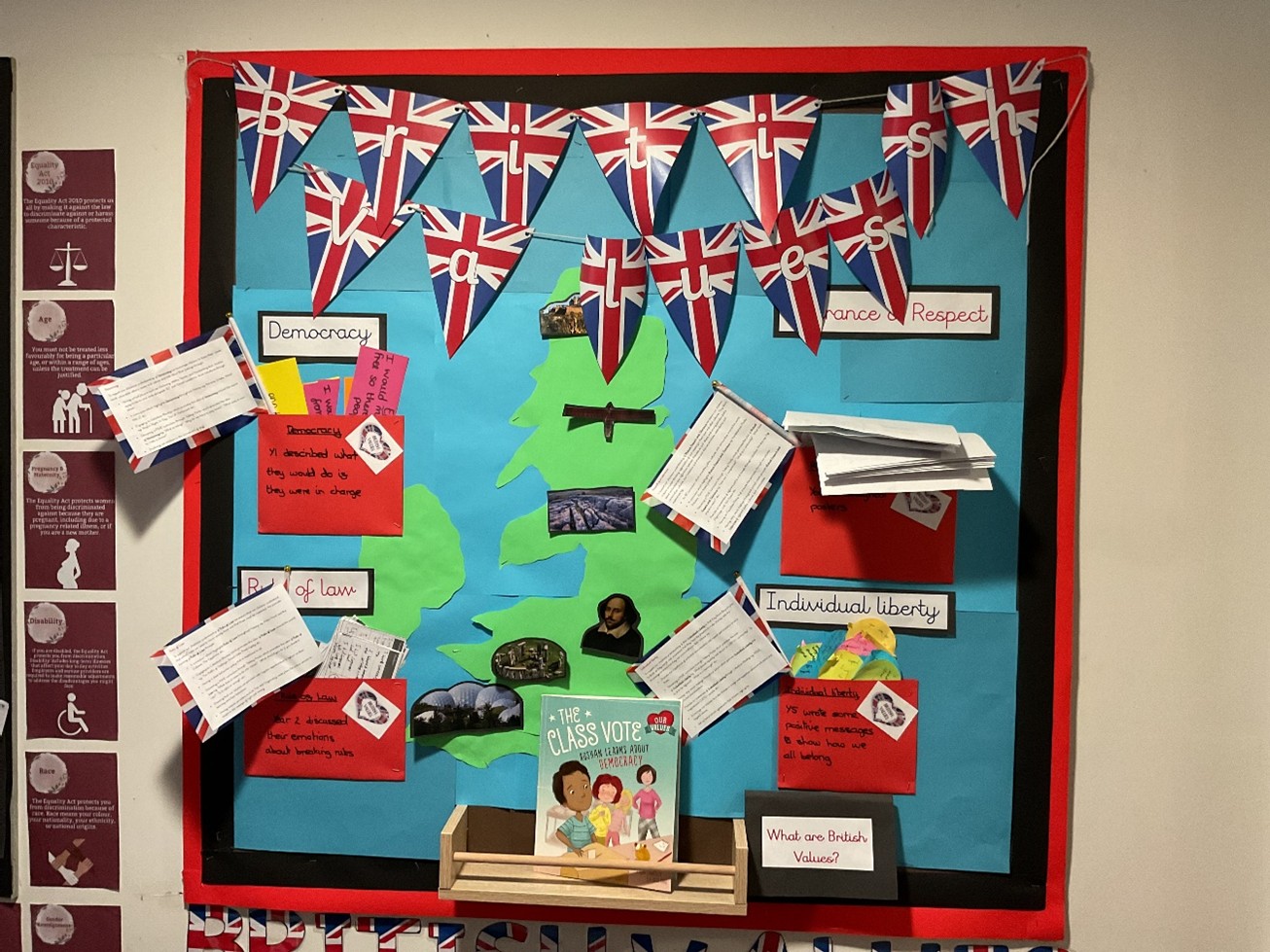
Display areas around school both link to and celebrate the common themes of Talking Points, British Values and belonging.
PSHE also provides some inspiration for many of our assemblies.
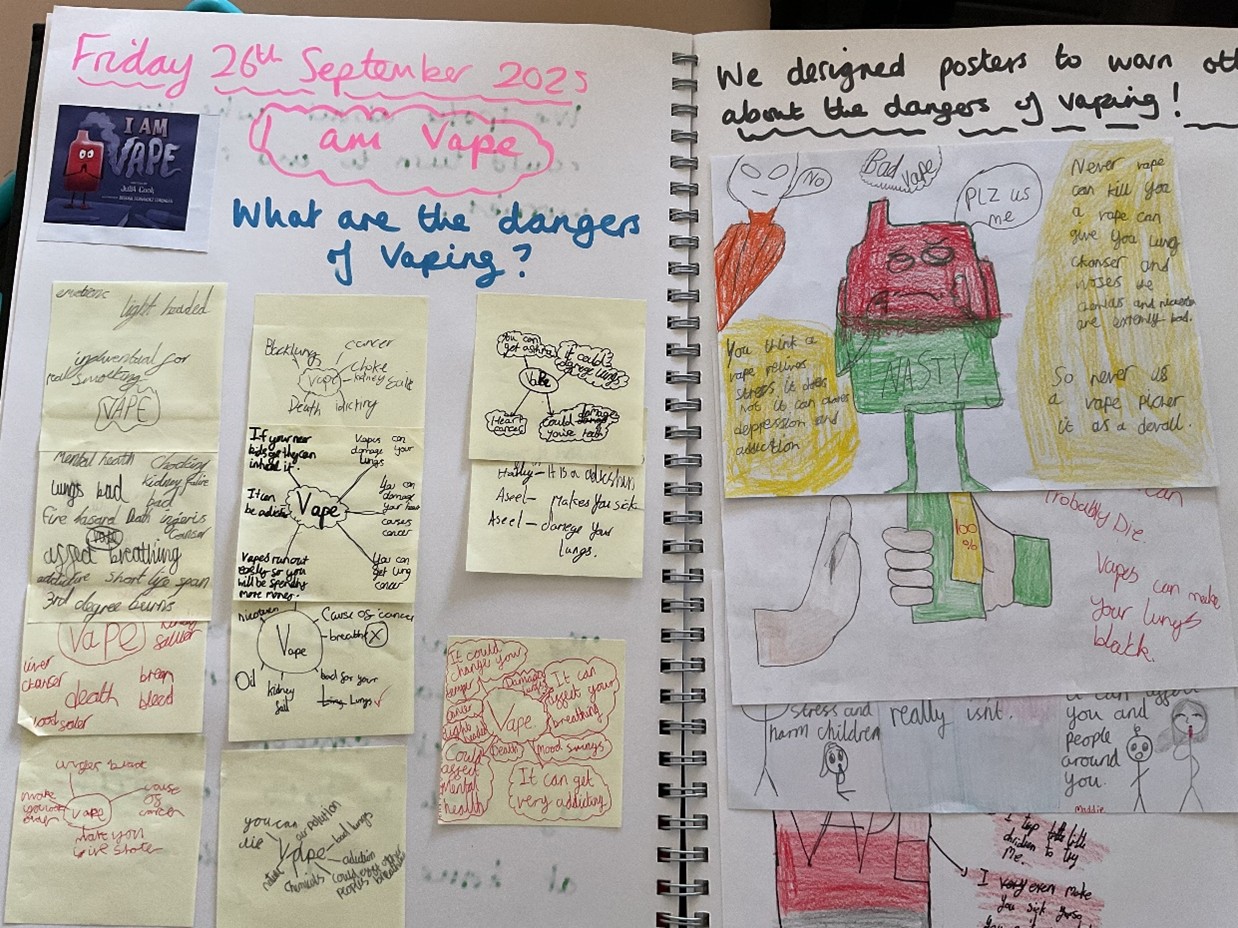
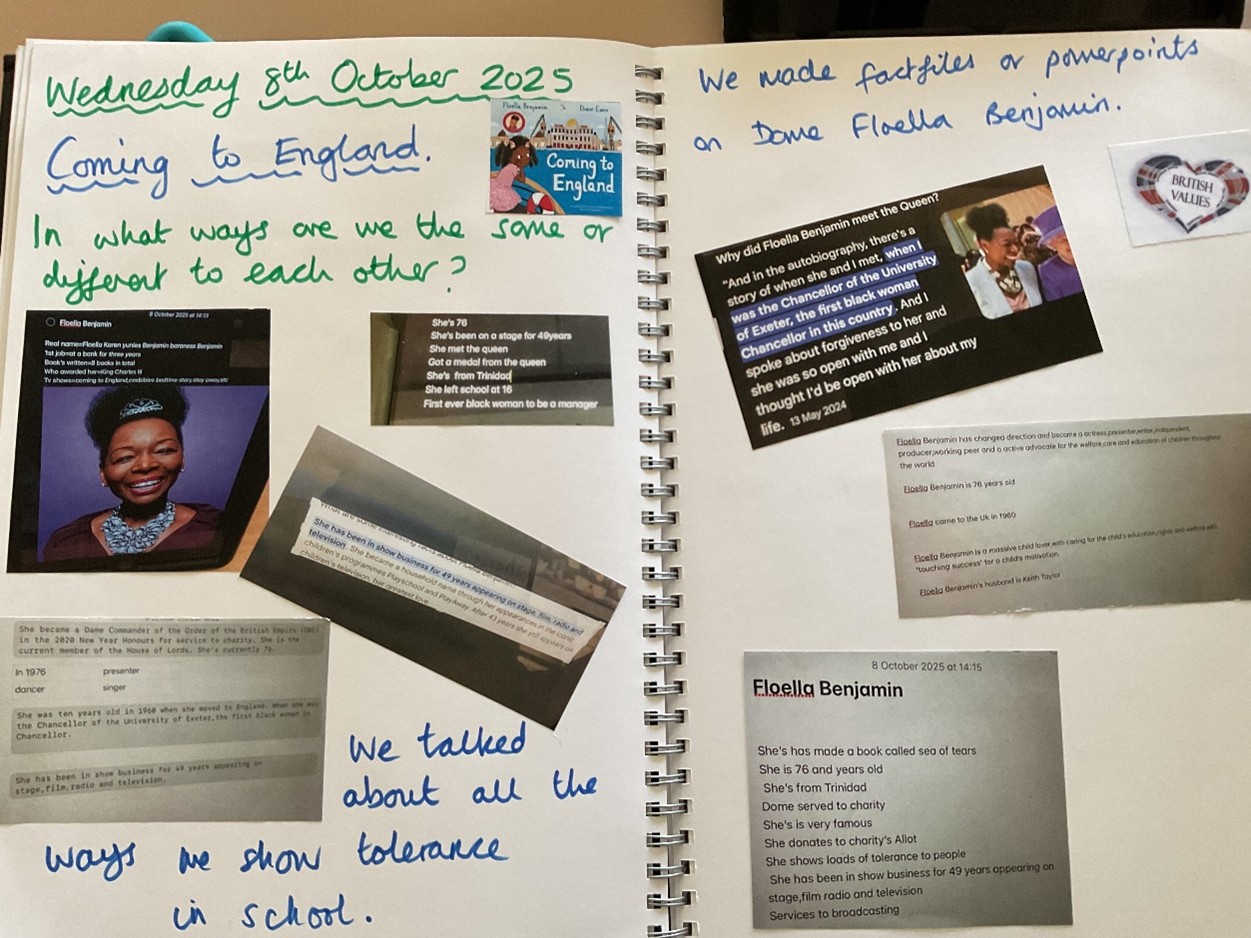
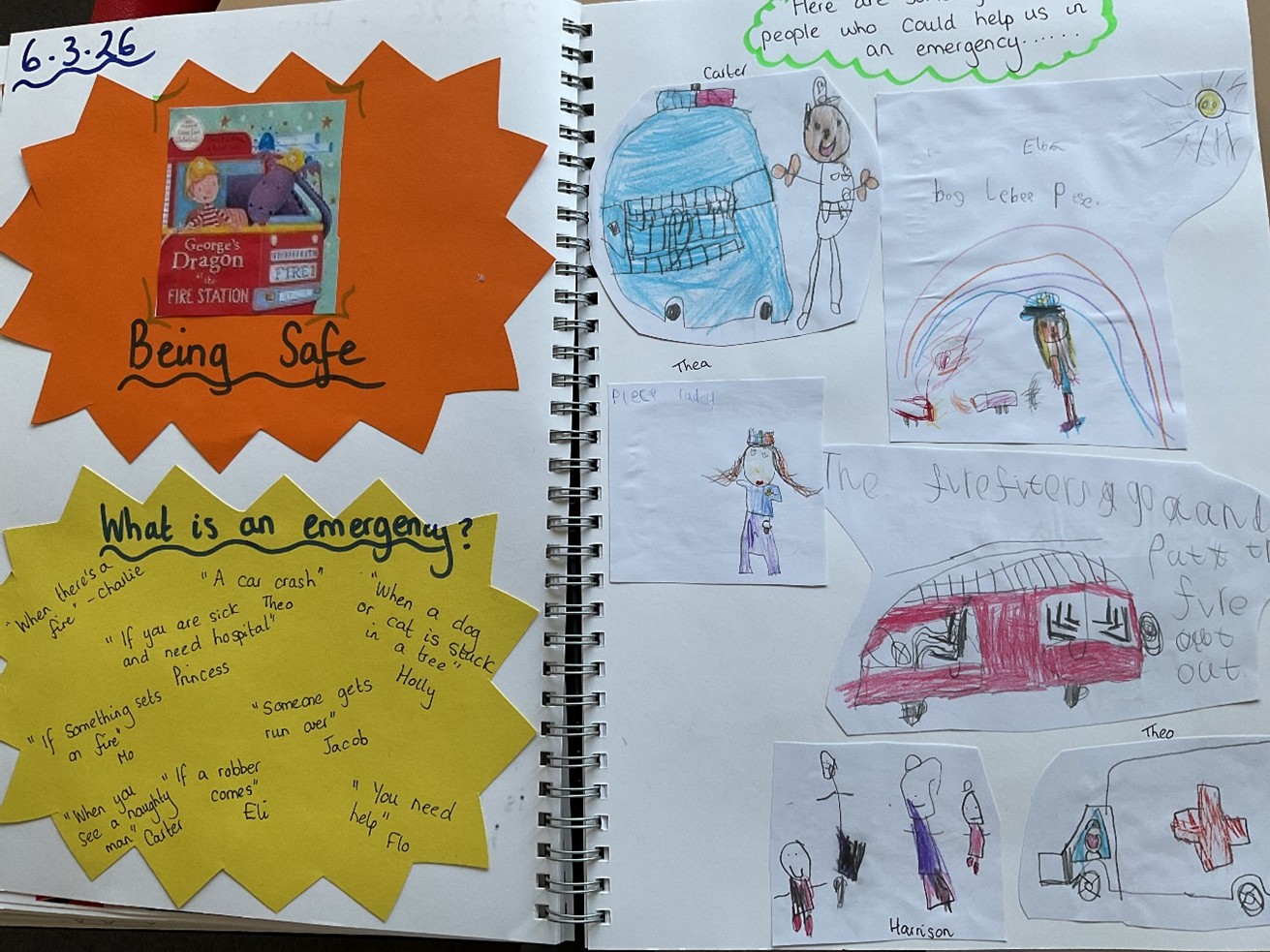
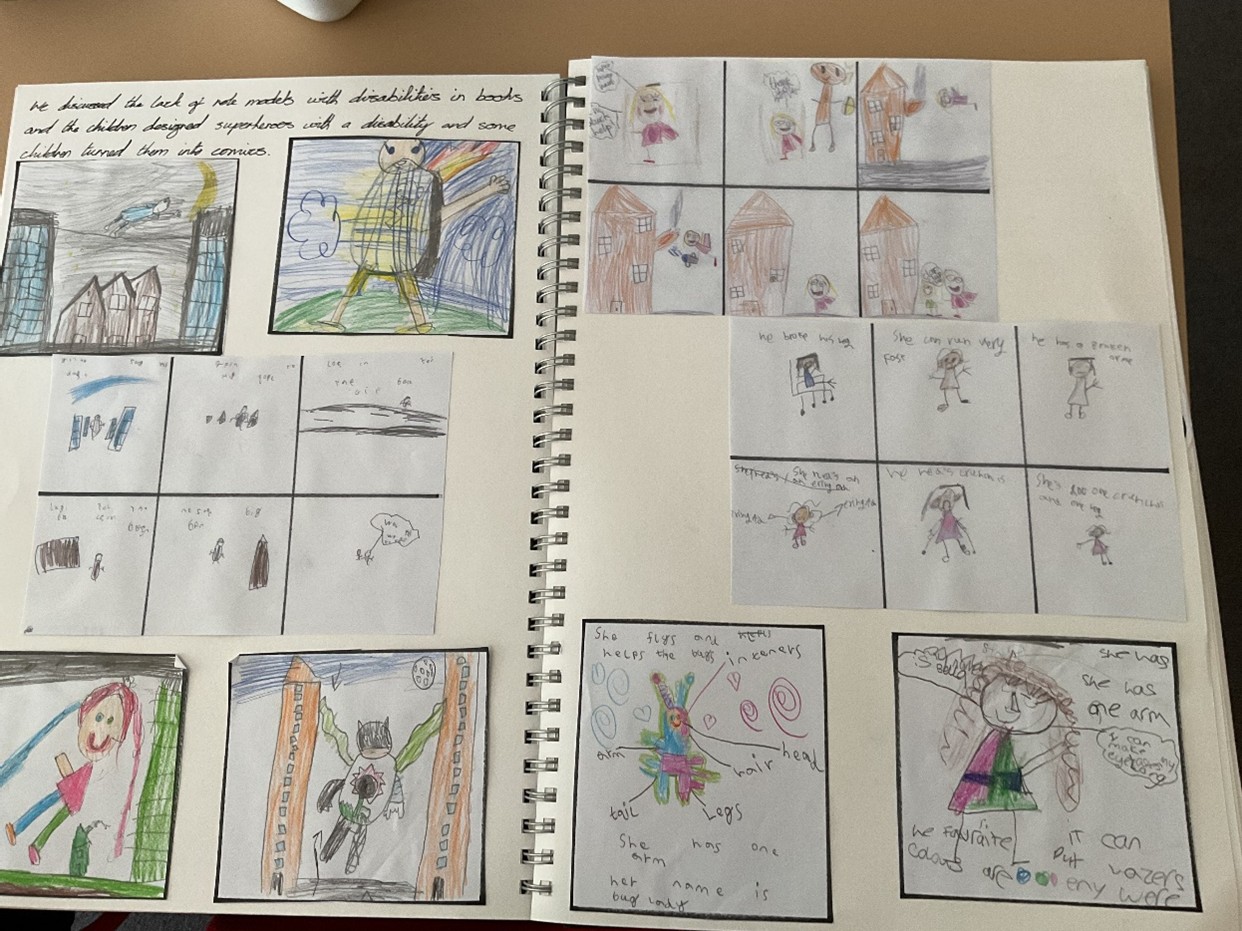
Examples of displays and children’s work demonstrate our intent and implementation for all pupils.
EYFS
Year 1
Year 2
Year 3
Year 4
Year 5
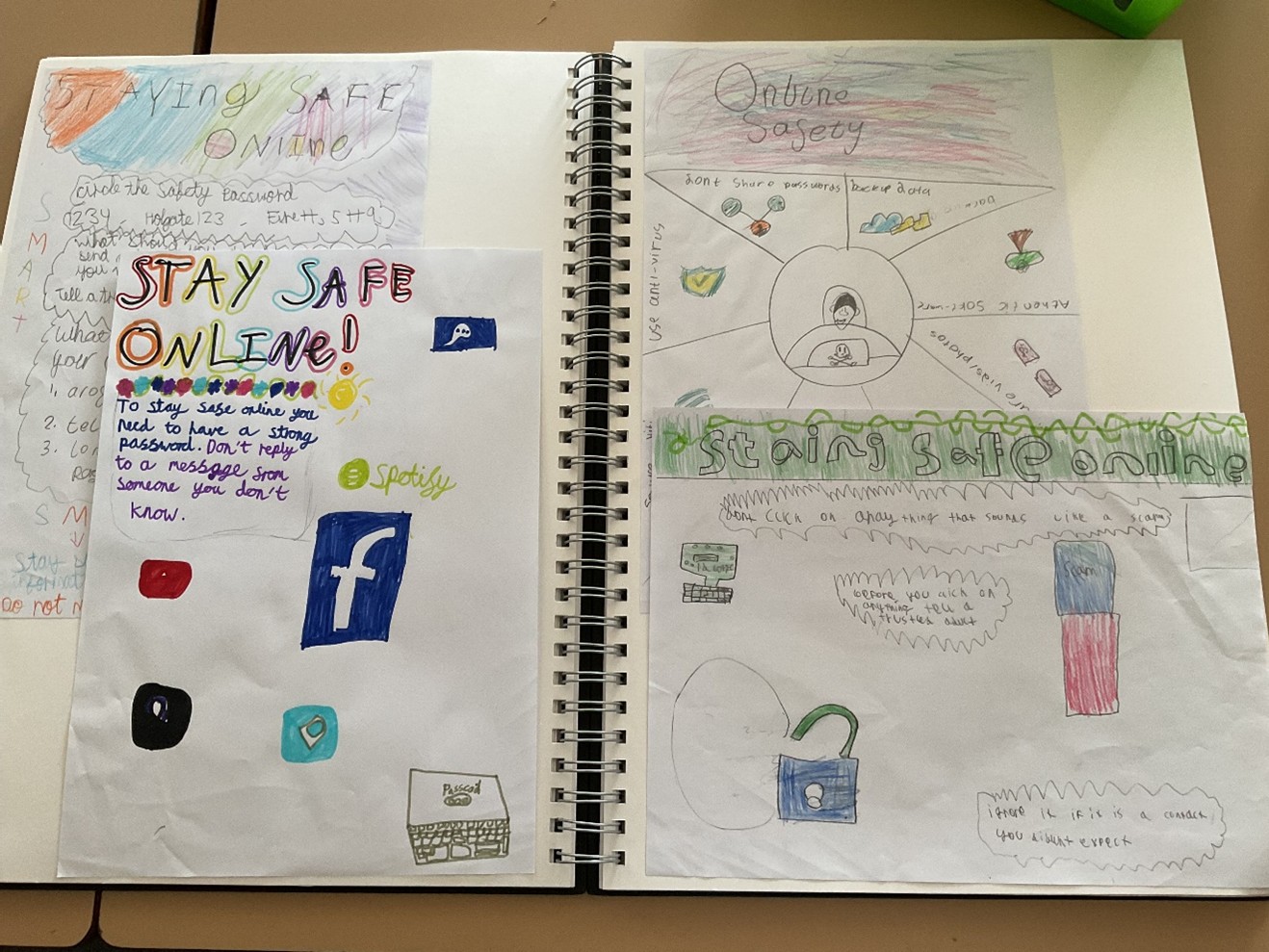
Year 6